
Vases are often seen as something secondary—just a holder for flowers. But in reality, they quietly shape how a space looks and feels. The right vase doesn’t just support flowers; it enhances them, balances the setting, and sometimes even stands beautifully on its own.
If you’ve ever placed flowers in a vase and felt like something was “off,” it’s usually not the flowers—it’s the pairing. The connection between the vase, the flowers, and the space matters more than it seems.
Understanding the Balance Between Flowers and Vases
One of the simplest ways to improve any arrangement is by getting the proportion right. A vase that’s too small can crowd the stems, while one that’s too large can make the flowers look lost.
A good rule many stylists follow:
The vase should be about one-third to half the height of the flowers
The opening should hold stems comfortably—not too tight, not too loose
This balance helps the arrangement feel natural instead of forced.
Picking the Right Shape for Different Styles
Not all vases work the same way. The shape you choose directly affects how your flowers sit and spread.
Tall and narrow vases
Best for long stems like roses or lilies
Create a clean, structured look
Wide or round vases
Perfect for fuller bouquets
Allow flowers to spread naturally
Bud vases (small opening)
Ideal for single stems or minimal styling
Great for small spaces or subtle accents
The shape essentially “guides” the arrangement, giving it direction and form.
Materials That Change the Mood
The material of a vase doesn’t just affect durability—it changes the entire vibe of the space.
Glass
Light, minimal, and versatile
Keeps focus on the flowers
Ceramic
Warm and textured
Adds depth to neutral or cozy interiors
Metal or rustic finishes
Slightly bold and unique
Work well as statement décor pieces
Each material brings a different feeling, so choosing one depends more on your space than strict rules.
Matching the Vase With Your Space
A vase shouldn’t feel separate from the room—it should blend in naturally.
Think about:
Your room’s color palette
The type of furniture around it
Whether your space feels modern, rustic, or classic
For example:
Minimal rooms → simple, neutral vases
Warm interiors → textured or earthy finishes
Bold spaces → contrasting or statement pieces
When everything aligns, the vase doesn’t stand out awkwardly—it fits.
Styling Without Overthinking It
You don’t always need a full bouquet to make a vase look good. In fact, less often works better.
Try simple approaches:
A single stem for a clean, modern look
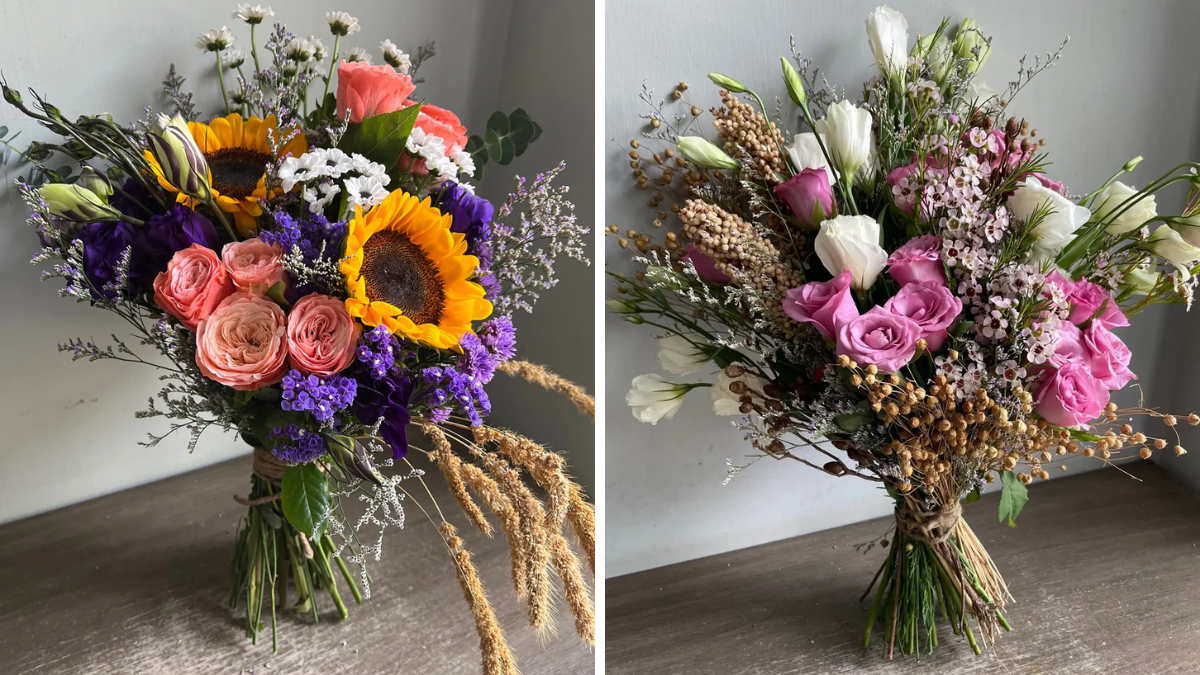
Dried flowers or pampas grass for long-lasting décor
Leaving the vase empty as a design piece
Even professionals suggest keeping arrangements slightly loose and natural instead of overly packed—it looks more real and effortless.
Small Details That Make a Big Difference
Sometimes it’s the little things that improve the overall look:
Keep the vase clean (especially glass)
Trim stems properly for better placement
Avoid overcrowding—give flowers space
Use odd numbers of stems for a natural feel
These small adjustments can instantly make your setup look more refined.
Experimenting With Different Styles
There’s no single “correct” way to use a vase. Some people prefer symmetry and clean lines, while others like a more relaxed, organic arrangement.
You can try:
Mixing different vase sizes together
Playing with heights for layered styling
Switching between fresh and dried elements
Vases are flexible—they adapt to your style rather than forcing you into rules.
Final Thoughts
A vase might seem like a small detail, but it quietly influences everything around it. The right one doesn’t overpower the space—it complements it.
Instead of focusing too much on trends or rules, it’s better to choose something that feels natural in your space. Whether it holds flowers or stands alone, a well-chosen vase has a way of making everything around it feel more complete.
Sometimes, it’s not about adding more—it’s just about choosing better.


Write a comment ...